

African Walnut is a trade name rather than a guaranteed botanical identity, so reliable description begins by separating the commercial name from species-level certainty.
Species profile
Identity “African Walnut” does not mean the wood belongs to the true walnut genus Juglans.
Reference species Lovoa trichilioides is one important African timber commonly sold under this name, but this encyclopedia does not silently assign that species to Exotica stock without supporting documentation.
Appearance Material sold as African Walnut can show warm brown, golden, reddish and darker streaked tones, sometimes with attractive ribbon or interlocked figure.
Grain & figure Because more than one commercial identity may appear under the name, grain pattern should be recorded directly from the board rather than used as sole species proof.
Workability Machining and finishing behaviour should be tied to the confirmed species and the individual piece, especially where interlocked or highly figured grain is present.
Uses Woods sold under this trade name are encountered in furniture, veneer, cabinetry, decorative work and turning.
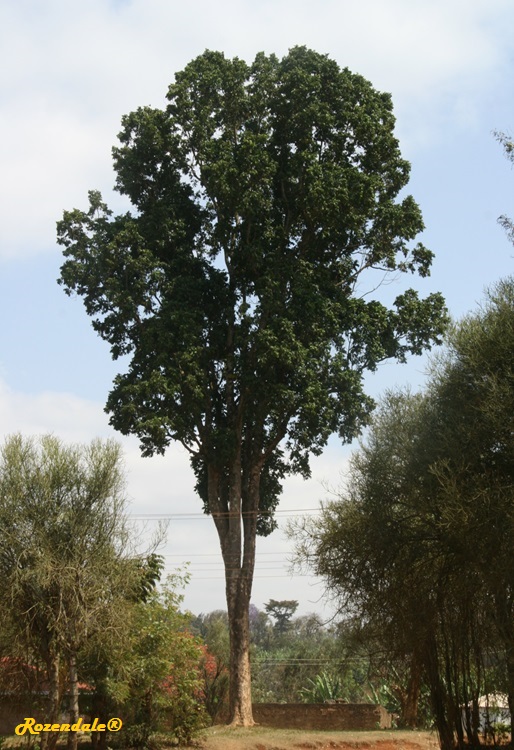
Evidence status The tree below is a representative Lovoa trichilioides reference. Species-level density, habitat and odour remain unassigned to Exotica stock until the exact botanical identity is confirmed.
Visual reference
Grain variations


Exotica Wood example
